NSF MRSEC News
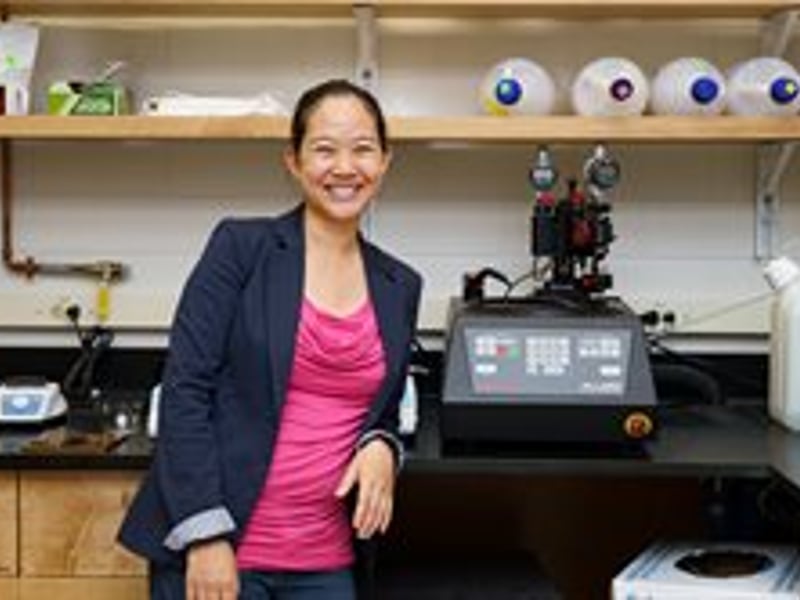
Top 10 Breakthrough List Features Illinois MRSEC Researcher's Work
Professor and Racheff Faculty Scholar Pinshane Huang of the Department of Materials Science and Engineering at The Grainger College of Engineering and MRSEC IRG1 Leader has been recognized by Physics World as being responsible for one of the Top 10 Breakthroughs of the Year for 2025.
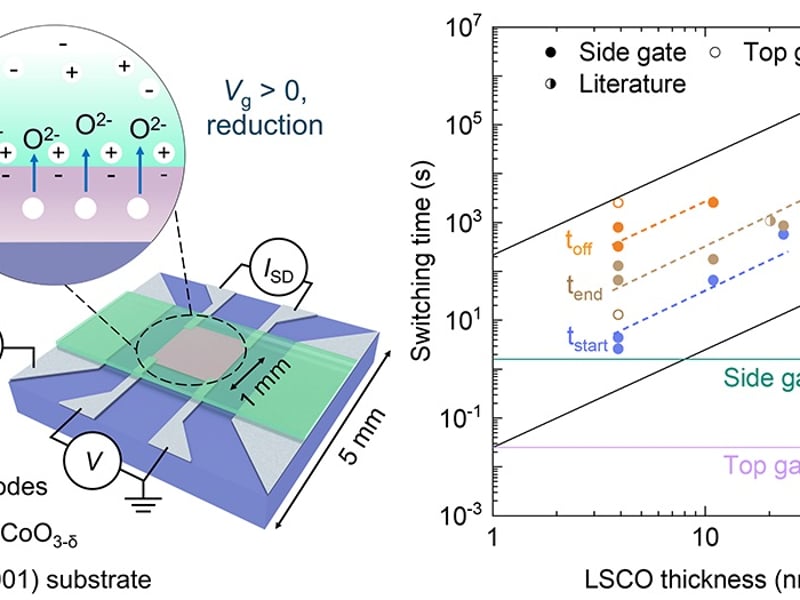
Pushing the Limits of Ionic Control of Materials: University of Minnesota’s NSF MRSEC Makes Breakthroughs in Electrolyte Gating
By MRSEC Web Team
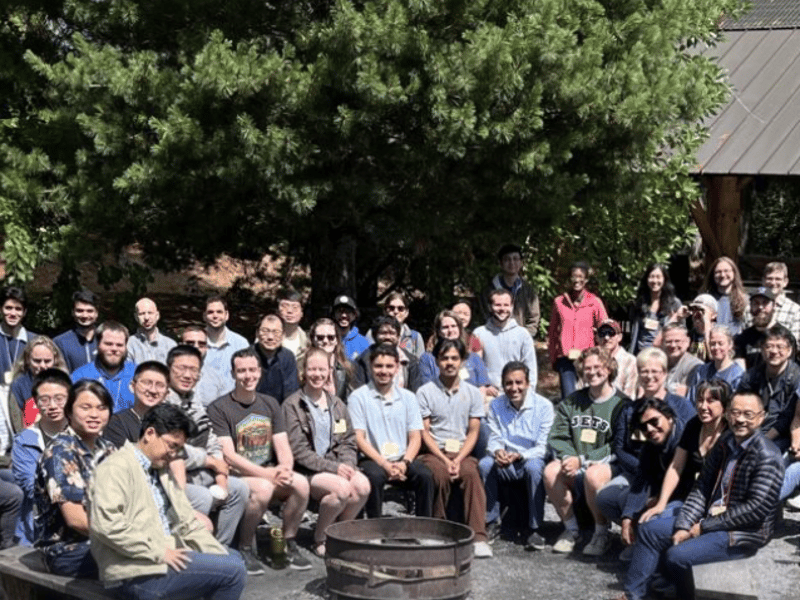
From Posters to Partnerships: PREM and NSF MRSEC Students Connect at Washington’s Pack Forest
By Divya Abhat
This past summer, about a dozen PREM faculty and students from the University of Central Florida joined MRSEC faculty and students at the University of Washington for their annual retreat at the Pack Forest Conference Center in Washington State. Against the beautiful backdrop of Douglas firs, nearly 85 materials scientists had the opportunity to share research ideas, brainstorm solutions, and collaborate.
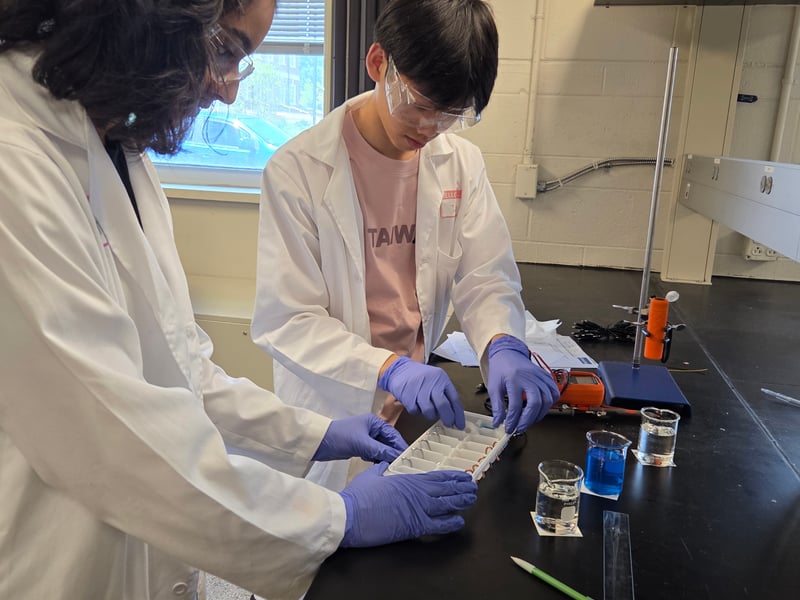
Delaware MRSEC Offers High Schoolers a STEM-Filled Summer
By Divya Abhat, MRSEC Web Team
Last summer, 12 high school students were challenged to identify a mystery polymer. As part of a summer internship—now in its second year—they visited the chemical giant Chemours where they gained access to high-tech lab equipment rarely open to the public and were provided with relevant clues and tests to help solve the puzzle. It’s as hands on as it gets and gave this young group valuable exposure to the world of STEM.

Amphiphilic Nanopores: Spontaneous Water Harvesting from Air
In collaboration with Amish Patel’s group (IRG-2), researchers in the previous and current Penn MRSEC discovered that disordered packings of hydrophilic nanoparticles infiltrated with hydrophobic polymers—amphiphilic nanoporous films—can spontaneously condense and exude water droplets from undersaturated vapor under isothermal conditions.

Unlocking the Potential of Bottlebrush Polymers: A New Frontier in Self-Assembly
By Divya Abhat
In the world of materials science, researchers are constantly seeking new ways to create more efficient, durable, and adaptable materials. One promising avenue is the study of bottlebrush block polymers, a unique class of macromolecules that self-assemble into intricate nanostructures. Researchers at the University of Minnesota have been at the forefront of this research, uncovering new possibilities for these polymers and their applications.
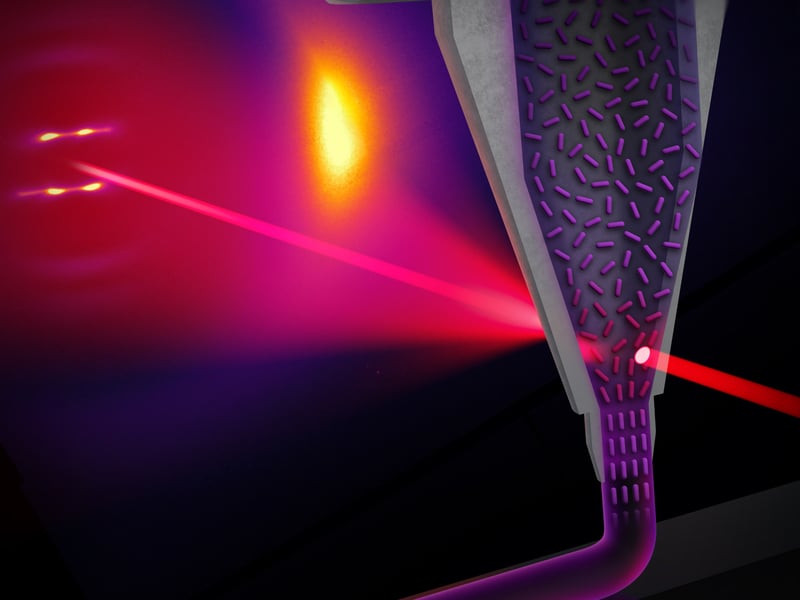
Encoding Many Properties in One Material Via 3D Printing
By Anne J. Manning
A class of synthetic soft materials called liquid crystal elastomers (LCEs) can change shape in response to heat, similar to how muscles contract and relax in response to signals from the nervous system. 3D printing these materials opens new avenues to applications, ranging from soft robots and prosthetics to compression textiles.

Superalloys Resist Wear at Nearly Forge-Level Heat Using New Process
NSF News
AI just got 100-fold more energy efficient
Northwestern University engineers have developed a new nanoelectronic device that can perform accurate machine-learning classification tasks in the most energy-efficient manner yet. Using 100-fold less energy than current technologies, the device can crunch large amounts of data and perform artificial intelligence (AI) tasks in real time without beaming data to the cloud for analysis.
Microplastics less a problem when plastics are made from plants
Showing 11 to 20 of 75